
NBA All-Time Rebounds Leaders: The Top 25
Wilt Chamberlain leads with 23,924 NBA career rebounds. See the top 25, games played, and why regular-season totals differ from rebounding ability.
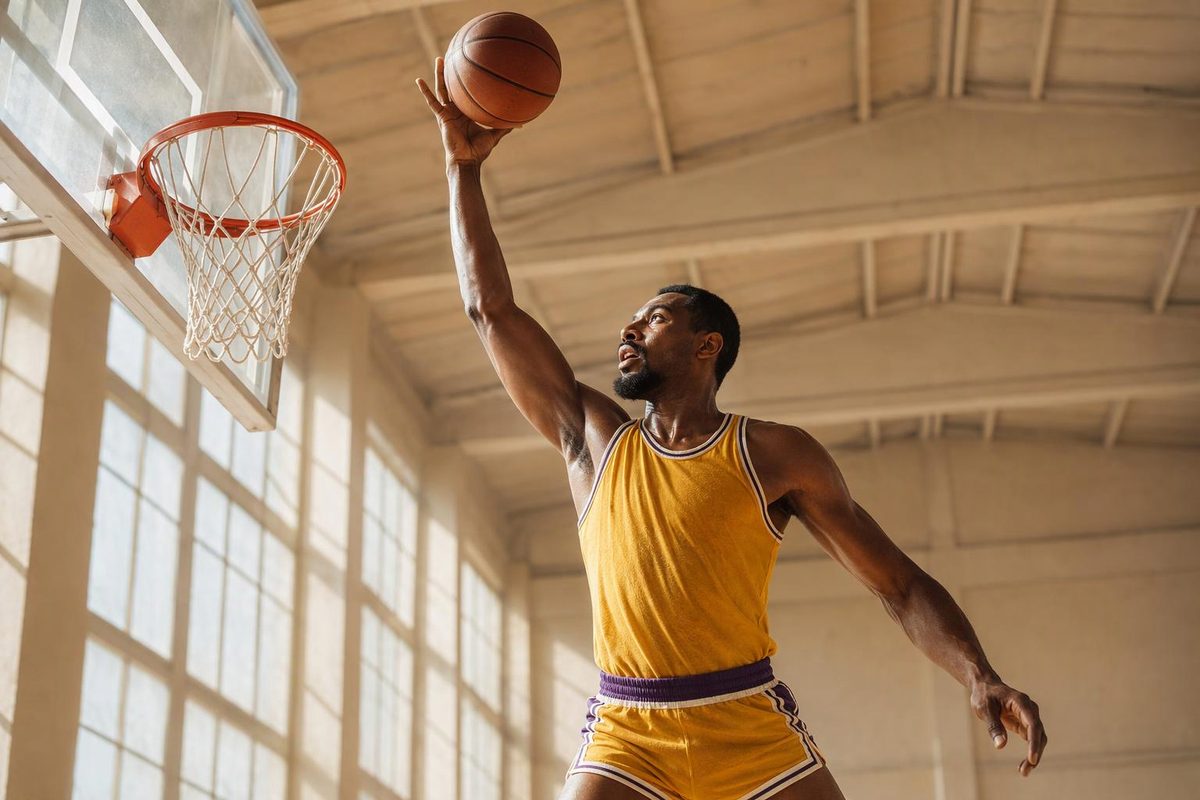
Wilt Chamberlain is the NBA’s all-time rebounds leader with 23,924 regular-season rebounds. Bill Russell is second with 21,620, followed by Kareem Abdul-Jabbar with 17,440. Chamberlain and Russell are the only players above 20,000 on the NBA’s career leaderboard.
A rebound is credited when a player recovers the ball after a missed shot. Total rebounds (REB) includes both offensive and defensive rebounds, as defined in the NBA statistics glossary. Career totals reflect rebounding production, playing time and longevity—not just how effectively someone rebounded when on the floor.
Top 25 NBA career rebound leaders
These are NBA regular-season totals, checked November 5, 2026. Playoff and ABA rebounds are not added. Games played covers the same regular-season sample.
| Rank | Player | Career rebounds | Games played |
|---|---|---|---|
| 1 | Wilt Chamberlain | 23,924 | 1,045 |
| 2 | Bill Russell | 21,620 | 963 |
| 3 | Kareem Abdul-Jabbar | 17,440 | 1,560 |
| 4 | Elvin Hayes | 16,279 | 1,303 |
| 5 | Moses Malone | 16,212 | 1,329 |
| 6 | Tim Duncan | 15,091 | 1,392 |
| 7 | Karl Malone | 14,968 | 1,476 |
| 8 | Robert Parish | 14,715 | 1,611 |
| 9 | Kevin Garnett | 14,662 | 1,462 |
| 10 | Dwight Howard | 14,627 | 1,242 |
| 11 | Nate Thurmond | 14,464 | 964 |
| 12 | Walt Bellamy | 14,241 | 1,043 |
| 13 | Wes Unseld | 13,769 | 984 |
| 14 | Hakeem Olajuwon | 13,748 | 1,238 |
| 15 | Shaquille O’Neal | 13,099 | 1,207 |
| 16 | Buck Williams | 13,017 | 1,307 |
| 17 | Jerry Lucas | 12,942 | 829 |
| 18 | Bob Pettit | 12,849 | 792 |
| 19 | Charles Barkley | 12,546 | 1,073 |
| 20 | Dikembe Mutombo | 12,359 | 1,196 |
| 21 | Paul Silas | 12,357 | 1,254 |
| 22 | Charles Oakley | 12,205 | 1,282 |
| 23 | LeBron James | 12,147 | 1,629 |
| 24 | Dennis Rodman | 11,954 | 911 |
| 25 | Kevin Willis | 11,901 | 1,424 |
Source: NBA all-time leaders, REB totals. LeBron James’s total can increase; the other players’ totals in this table are completed NBA career marks.
How large is Chamberlain’s lead?
Chamberlain finished 2,304 rebounds ahead of Russell and 6,484 ahead of Abdul-Jabbar, calculated from the totals above. His 23,924 rebounds in 1,045 games work out to 22.9 per game, rounded to one decimal place.
That combination of volume and average explains the size of the record. Abdul-Jabbar played 515 more regular-season games than Chamberlain but still finished well behind him in rebounds. The league’s Chamberlain profile also notes that he led the NBA in rebounding in 11 of his 14 seasons.
What this ranking does—and doesn’t—tell you
This table answers who collected the most NBA career rebounds, not who was the best rebounder relative to available opportunities. More minutes and more missed shots create more chances to accumulate rebounds. Rebounding percentage instead measures the share of available rebounds a player grabs while on the floor, according to the NBA glossary.
There is also a historical bookkeeping limit: the NBA began separating offensive and defensive rebounds in 1973–74. Earlier total rebounds still count, but the split is unavailable for those seasons. That is why Chamberlain’s and Russell’s total rebounds should not be compared against their blank offensive- or defensive-rebound columns as though those blanks were zeroes. The NBA’s Russell profile explains the change.
Dennis Rodman’s 24th-place career total therefore does not settle an ability comparison. For that separate question, see our era-aware analysis of the best rebounder of all time.